Nvidia announced a $12.93 billion purchase of Hugging Face, buying the model‑hub that millions of developers use and folding it into its DGX Cloud and AI stack. The deal is less about immediate revenue and more about real‑time developer and model telemetry that can steer where compute, software and standards land next.
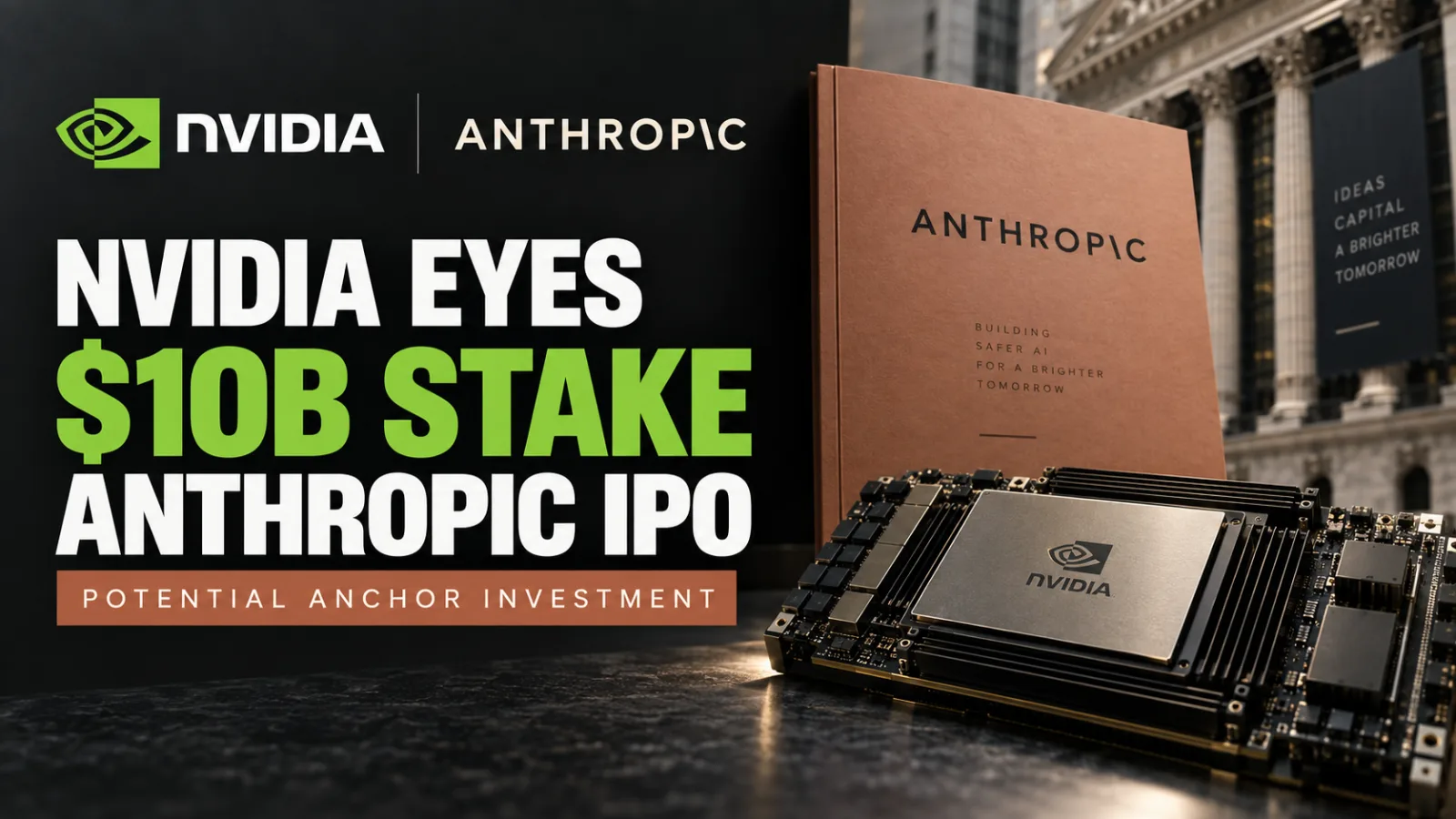
Reuters reports Nvidia is in talks to serve as an anchor investor for Anthropic’s planned IPO, possibly committing up to $10 billion. If true, the deal would deepen Nvidia’s commercial grip on frontier AI while reshaping investor appetite, compute contracts and regulatory scrutiny around the public listing.
The U.S. Justice Department has opened a confidential investigation into Nvidia’s December licensing arrangement with Groq to determine whether the chip giant structured the deal to avoid antitrust review. The probe forces a legal reckoning over licensing-plus‑talent moves that have become common in AI M&A and could reshape how strategic partnerships are executed across the chip and AI ecosystems.
Google announced a two‑year, €13 billion program to build three new data centers and expand an existing site in Finland, and signed a long‑term power deal with Fortum to secure low‑carbon electricity. The move is Google’s largest single investment in Europe and reshapes where high‑scale AI compute will be located and how it will be powered.
The American Federation of Teachers, the United Federation of Teachers and Microsoft announced a first‑of‑its‑kind National AI Safety & Privacy Standard for K–12 districts that turns privacy and safety principles into contract terms. Districts can add the protections directly into Microsoft customer agreements so the rules become legally enforceable; the deal is timed against recent city and state AI bans and marks a new private‑sector regulatory approach.
OpenAI told investors it is now selling AI services into chip design and told a Goldman Sachs audience its own models helped tape out the Jalapeño inference chip in nine months. The shift makes OpenAI a buyer of foundry capacity and a competitive pressure on EDA and cloud toolchains, with implications for Broadcom, NVIDIA and the fabs that actually make silicon.
Google DeepMind today published AlphaGenome Atlas, a 1‑petabyte catalogue of precomputed molecular‑effect predictions for more than 9 billion single‑nucleotide variants and a unified AlphaGenome Variant Impact (AVI) score. The resource is available for academic use via a web portal and API; DeepMind and academic partners say it speeds variant prioritization, but it raises questions around clinical validation, commercial access and long‑term curation.
Paris‑based Mistral AI closed a €3 billion Series D led by Samsung at a post‑money valuation north of €21 billion. The cash is explicitly targeted at buying compute, building regional inference capacity, and underwriting a European ‘sovereign’ AI play — but it also exposes the company to supply, talent and margin pressures.
Qualcomm announced a multi‑generation collaboration with Amazon Web Services to co‑develop AI‑inference silicon and high‑bandwidth optical interconnects. An SEC filing shows Amazon received a warrant to buy up to 25 million Qualcomm shares at $161.26 that vests with purchases — effectively linking equity upside to up to $60 billion of potential orders.
The NSA, CISA and FBI published joint advisory AA26‑251A on Sept. 8, 2026, accusing six China‑based AI companies of running coordinated, high‑volume knowledge‑distillation campaigns against U.S. frontier models. The advisory names tactics, affected providers and concrete mitigations for model owners and platform operators.
ASML and TSMC today launched an industry initiative to move photomasks from the long‑standing 6‑inch format to a larger 12‑inch platform, targeting a pilot mask line by 2031 and production‑ready lithography systems by 2033. The move is explicitly designed to remove High‑NA EUV stitching limits, raise scanner productivity for very large dies and reduce per‑chip costs for AI‑class chips.
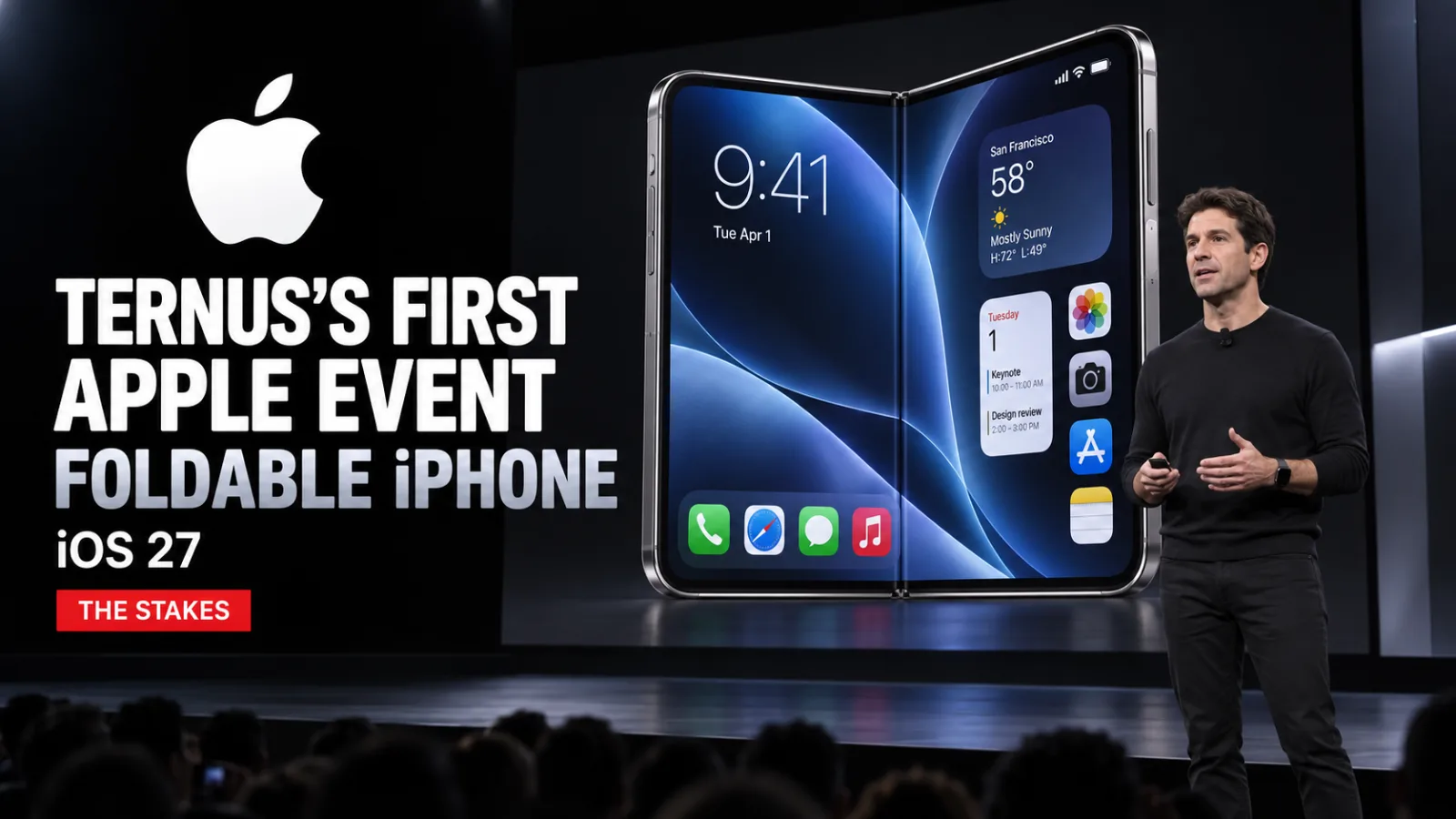
Apple’s new CEO John Ternus leads a ‘Surprise and Shine’ keynote on September 9, 2026 where Apple is expected to debut its first foldable iPhone alongside iPhone 18 Pro models and final launch timing for iOS 27. This piece explains what changed, how the hardware and software moves fit together, and the immediate supply‑chain, pricing and market risks for Apple and its partners.